






Protecting a business used to mean hiring a few security guards and installing a basic alarm. But the landscape of facility safety is changing. Modern threats are more complex, requiring a smarter, more connected approach. Isolated security measures, like a standalone camera system or a simple access control panel, are no longer enough to provide comprehensive protection. These disconnected systems often create security gaps, slow down response times, and make it difficult to get a clear picture of what’s happening on your premises.
This is where integrated security systems come in. By weaving together various technologies into a single, cohesive platform, businesses can create a robust defence against a wide range of risks. This guide will explore how these unified systems are revolutionising facility safety, offering greater control, faster responses, and a more proactive approach to security management. We’ll look at the core components, their benefits, and how you can implement a system that keeps your people and assets safe.
Understanding Integrated Security
An integrated security system connects different security tools and technologies so they can communicate and work together. Instead of having separate systems for video surveillance, access control, and alarms, they are all managed from one central platform. Think of it as the brain of your security operations, collecting information from all its senses—the cameras, sensors, and access points—to make intelligent decisions.
For example, when an unauthorised person tries to enter a restricted area, the access control system doesn’t just deny entry. It can trigger the nearest camera to start recording, alert security personnel through a mobile app, and even lock down nearby doors to contain the threat. This seamless interaction is what makes integrated systems so powerful.
Key Components of an Integrated System
A comprehensive system combines several technologies. While the exact setup will vary depending on the facility’s needs, most integrated solutions include a few core components.
Video Surveillance (CCTV)
Modern CCTV systems are far more than just passive recording devices. When integrated, they become an active part of your security network. High-definition cameras with AI-powered analytics can automatically detect unusual behaviour, identify specific individuals, or track movement across a facility. This information can then be used to trigger alarms or notify security personnel, turning surveillance into a proactive tool rather than a reactive one.
Access Control
Access control systems manage who can go where and when. By integrating these systems with video surveillance, you can visually verify every entry attempt. If a stolen keycard is used, the system can immediately flag the event, capture video evidence, and alert guards. This adds a crucial layer of verification that standalone systems lack.
Intrusion Detection and Alarms
Sensors on doors, windows, and throughout a facility are your first line of defence against intruders. When integrated, these sensors do more than just sound a siren. They can pinpoint the exact location of a breach on a digital map, activate cameras in that area, and send instant alerts to your security team’s mobile devices, enabling a much faster and more informed response. Any reputable security service company will recommend this level of integration for optimal protection.


The Advantages of a Unified Approach
Combining these technologies brings a host of benefits that go beyond what any single system could offer. The synergy created by integration elevates your entire security posture.
Enhanced Situational Awareness
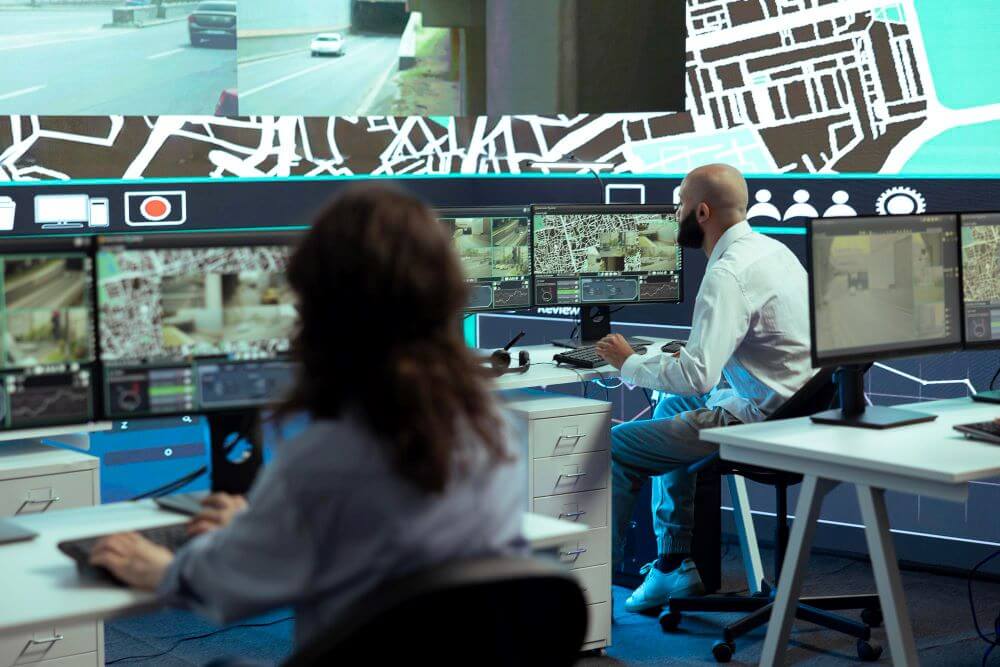
With an integrated system, security personnel have a complete, real-time overview of the entire facility from a single interface. They can monitor live video feeds, check access logs, and respond to alarms without switching between different applications. This unified view allows for quicker decision-making during an incident, as all relevant information is available in one place.
Faster and More Effective Response
When your security systems work together, your response to threats becomes faster and more efficient. Automated workflows can be pre-programmed to handle specific scenarios. For instance, a fire alarm can automatically unlock emergency exits, shut down ventilation systems to slow the spread of smoke, and send a notification to the fire department—all without manual intervention. This level of automation ensures that critical actions are taken immediately, even before human operators can react. This is where professional security guard services can leverage technology to perform their duties with greater precision.
Improved Efficiency and Lower Costs
Managing multiple, separate security systems is inefficient and costly. Each system may require its own training, maintenance, and support contracts. An integrated platform simplifies management, reducing the administrative burden on your team. Furthermore, by automating routine tasks, you can optimise your staffing levels. A well-designed system, often provided by a professional security service company, allows you to allocate resources more effectively, potentially lowering operational costs over time while strengthening your overall security.
Scalability for Future Growth
Your security needs will change as your business grows. Integrated systems are designed to be scalable and flexible. You can easily add new cameras, access points, or sensors as your facility expands. This modular approach ensures that your security investment remains relevant and can adapt to future challenges, protecting your business for years to come.
The Future of Facility Safety
Integrated security systems are no longer a luxury reserved for large corporations; they are becoming the new standard for businesses of all sizes. By bringing together video surveillance, access control, and alarm systems, organisations can achieve a level of security and operational efficiency that was previously unattainable. This unified approach not only protects your assets but also creates a safer environment for your employees and visitors. Embracing this technology is a crucial step in building a resilient and secure facility for the future.