






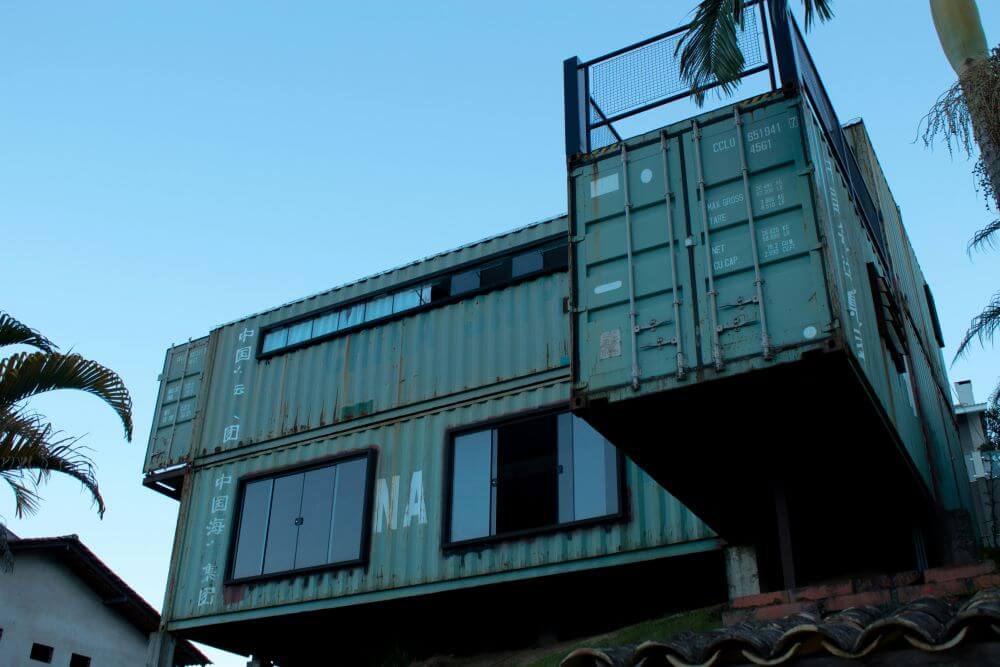

The workplace is no longer just a desk.
Teams are working from remote locations, disaster zones, construction sites, and temporary field operations all over the world. The traditional office is becoming a thing of the past.
But here’s the catch…
Success in these non-traditional environments takes more than hard work and determination. It takes the right equipment, smart planning, and workspaces designed for human performance.
Why Unconventional Workspaces Are Exploding
The data is undeniable.
Mobile workers now account for nearly 60% of the total US workforce. We’re talking major shifts in workforce distribution over the last few years. It used to be that you could count remote workers on two hands.
These days, you can’t swing a metaphorical ax without hitting someone working outside a brick and mortar office building.
Why the explosion in non-traditional workspaces? Think about the use cases.



Emergency response teams need command posts at disaster sites. Infrastructure repair teams require on-site coordination hubs. Military and government agencies deploy personnel to remote locales for weeks, even months, at a time.
This work isn’t traditional office jobs. It’s mission-critical operations where every second can have life or death implications.
The challenge for organizations is how to create functional workspaces that can go wherever the work is.
Mobile Command Center Trailers: What Are They?
Mobile command center trailers have become a vital tool for any organization that values flexibility without sacrificing functionality.
The trailer market got a major facelift a few years back with the introduction of these fully outfitted workspaces on wheels. They are not your grandma’s campervan, folks.
Mobile command center trailers include:
- Full communication systems with redundant backups
- Power generation and storage systems for off-grid capabilities
- Heating and air-conditioning for any environment
- Ergonomic workspaces to support extended work shifts
- Data connectivity and network infrastructure
The best units are custom built to fit the exact mission profiles of the client. Whether you are talking emergency management, military operations, sporting events, or even government affairs… having a purpose built mobile workspace can mean the difference between success and failure.
Pretty cool, right?
But here’s the secret that most folks overlook. It’s not just having a trailer. It’s having a trailer designed for human performance.
The Anatomy of a Field-Ready Workstation
Most field workstations are a bust because they forget one essential factor.
Ergonomics.
Working 12+ hour shifts in a mobile command center trailer or other workstation in close quarters? Team members get fidgety. Team members get sore. Team members make mistakes.
Fatigue leads to poor decisions. Bad decisions in emergency response work can be a deadly thing.
The science agrees with us.
Research shows how ergonomic programs improved productivity by 25% and reduced employee turnover by 48%.
Now, those are big numbers for any industry… but we’re talking about teams that are putting in long hours and working in grueling field conditions.
So what does a field-ready workstation include?
Adjustable seating and surfaces. Team members come in all shapes and sizes. Plus, work shifts in field work environments can be 16+ hour emergency response shift runs. Fixed-height desks do not cut it.
Adjustable lighting is important as well. Sunlight is great when it’s there. But indoor mobile workstations also need artificial lighting that’s strategically placed to reduce eye fatigue and keep teams wide-awake.
Layout matters too. When every second counts, team members need to be able to find what they need without looking for it. The best field workstations are deliberately organized to maximize efficiency.
Temperature control goes a long way as well. Teams are operating in all sorts of conditions out in the field. Whether it’s a hundred-degree-plus deployment in the desert or a subzero winter storm response… the climate inside a mobile command center matters.
Key Features that Matter
Let’s cut to the chase. What are the features that actually matter? We could spend all day talking features but there’s no magic bullet. Just the right mix of features.
Communication Systems
We just cannot stress this enough. Communications has got to work in these unconventional work environments. Redundant systems. Satellite connections. Radio integration. Cellular boosters.
No communication? No mission.
Power Independence
Off-grid operations are the name of the game.
Generators. Solar panels. Battery backups. Smart power management. All of these extend deployment timeframes and ensure you can operate regardless of the local power situation.
Modular Configurations
Nothing is cookie-cutter about these missions.
The most effective mobile command centers are based on modular components that can be swapped out or reconfigured based on what the mission needs. The need more desks? Install them.
Short on meeting space? Rearrange some furniture.
Durability and Weather Resistance
Let’s talk long-term usage here. These mobile command center trailers have to survive field conditions.
Dust storms. Construction sites. Extreme heat and cold. Vibration from rough transport. These things take a toll.
Mobile command center trailers built for the real world feature reinforced construction and sealed off compartments to protect components rated for tough environments.
Cheap materials lead to expensive repairs. And nobody wants to perform those in the field.
Common Mistakes to Avoid
Not all mobile workspace deployments pan out. Here are some operational pitfalls to watch out for.
Underestimating Space Requirements. Teams expand when crises happen. Equipment gets added to the mix. A mobile command center that seems roomy in planning is often too cramped in deployment.
Ignoring Ergonomics. Saving money by ignoring ergonomic factors when designing the space and selecting furniture results in higher costs later in the form of injuries, fatigue, and reduced overall performance.
Neglecting Maintenance Schedules. Mobile command centers need regular maintenance and servicing. Generator maintenance. Climate system filter changes. Communication system testing. Ignoring these tasks means systems are far more likely to fail when you need them most.
Focusing Only on Technology. Cutting edge technology is useless if it cannot be operated effectively by the humans in the loop. No amount of investment in tools matters without investments in the workspace itself.
Forgetting About Downtime. Extended deployments require downtime periods. Teams need break spaces. Creature comforts go a long way even in the most austere settings when the job is going to take 16-hour shifts for weeks on end.
Making the Transition
Transitioning operations to unconventional environments takes planning.
Start by clearly defining mission requirements. Tasks to be performed? Deployment durations? Environment conditions?
Design workspaces and equipment selections to meet these criteria.
The most successful organizations operating in non-traditional settings share some commonalities. They invest in quality. They recognize that human factors are just as important as technical specs. They thoroughly test out systems before real-world deployments.
And they recognize the workspace itself can be a force multiplier for the team.
Wrapping Things Up
The traditional office is no longer the default work environment.
Teams across the emergency services, military and government agencies, construction and infrastructure industries, and private industry are operating in areas that didn’t have workspaces last week. Success in these environments depends on bringing the right infrastructure along.
Mobile command center trailers are one of the most effective solutions for any unconventional workspace environment. When designed with attention to ergonomics, durability, and overall functionality… these trailers become true force multipliers.
The future of work is no longer tied to a building. It’s mobile. It’s flexible. And for teams equipped with the right workspace solutions… it’s surprisingly productive.