






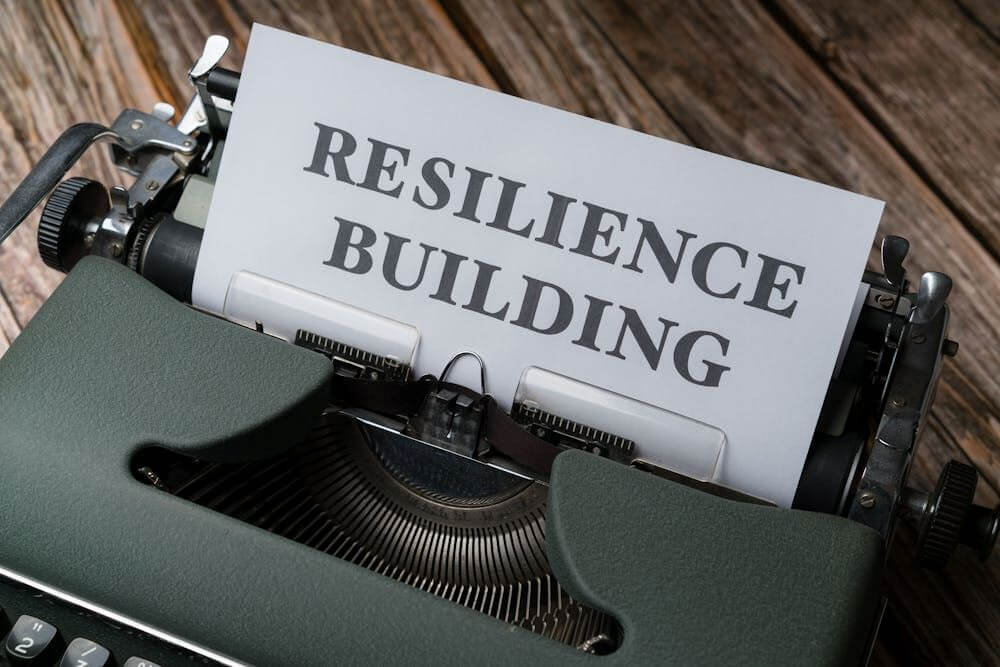

Cities now exist at the intersection of traditional beliefs and contemporary realities. Floods hit suburbs that never saw high water, heatwaves turn pavements into radiators, and one stalled container ship can rattle shelves half a world away. Some cities bend and recover. Others crack. The difference rarely comes from slogans or branding. It comes from structure, habits, daily practice, and a slightly unfashionable respect for limits. Resilience is not romance. It is logistics and discipline. The built environment either expects disruption or it quietly prepares to fail.
Design For Failure, Not Perfection
Resilient cities treat failure as a starting point, not a once-in-a-century disaster. Power stations trip, rivers overflow, telecoms drop, and yet the whole system keeps some function because designers planned for partial damage. Redundancy then shifts from being perceived as wasteful to being recognised as essential insurance. That same discipline belongs in every serious organisation. Core services require spare capacity, segmentation, and rapid repair paths. Firms that embrace modular structures gain a real edge. A company such as modularcubed.co.uk clearly illustrates this point, as it allows modular pieces to be replaced without disrupting crucial processes.
Short Feedback Loops Beat Grand Visions
Urban history shows a clear pattern. Monumental plans age badly. Small experiments age well and stay adaptable. Resilient cities test ideas in public, at a small scale, where mistakes stay affordable and visible. A trial bus lane, a neighbourhood battery, and a weekend street closure each act like a live question to residents. Do people use this, ignore it, or push back hard? That same rhythm strengthens any strategy. Regular releases, blunt metrics and honest reviews beat overconfident roadmaps. Feedback then stops being a nuisance and becomes the main protective layer against blind spots and wishful thinking.
Diversity Builds Shock Absorption
No city that leans on a single lifeline stays safe for long. A lone motorway, a single port, and one big employer—they promise efficiency but then deliver fragility during real crises. Diverse transportation options, mixed zoning, and a blend of large and small businesses give a city more ways to respond when something fails unexpectedly. The same holds in every competitive market. A portfolio that spans products, partnerships, and regions can absorb hits that would sink a narrow bet. Diversity sounds soft in presentations, but in practice, it behaves like reinforced concrete wrapped around the whole system.
Community As Quiet Infrastructure
When storms cut power and flood streets, the first responders often live next door. Informal networks share information faster than official channels, check on vulnerable neighbours and solve problems before authorities arrive in force. That social fabric turns chaos into something manageable and orderly. The corporate mirror seems obvious, but it’s often ignored. Teams that share context, swap knowledge, and back each other under pressure recover faster from shocks. Relationships then sit alongside servers and supply chains as real infrastructure. Remove that layer, and every other system becomes brittle, no matter the budget or technology.
Conclusion
Resilient cities offer a blunt message for anyone planning the future. Stop chasing certainty. Start building capacity to adapt when conditions change sharply. Design structures that expect outages and detours. Favour small, reversible trials over flawless narratives and glossy decks. Spread risk across many channels so no single point of failure can dictate outcomes. Invest in trust and collaboration with the same seriousness as technology, data and concrete. Those choices rarely grab headlines, yet they compound quietly. When pressure arrives, a difference emerges between those who keep operating and those who discover that hope never counts as a plan.