






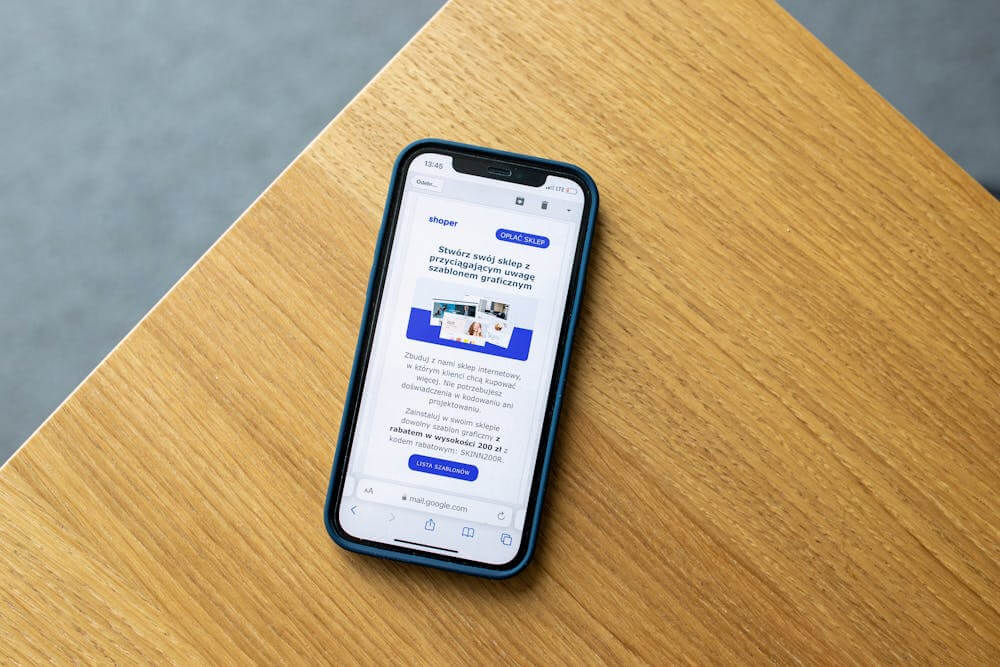

When you think about email, the first thing that might come to mind is a tool for communication. But it’s so much more than just digital letters. Email design is the secret weapon that can make or break your marketing success. Imagine opening an email that immediately grabs your attention with its visual appeal—it’s got you intrigued, right?
- The Impact of Email Design on Engagement
- How First Impressions Shape Reader Response
- Why Visual Hierarchy Guides Attention
- Personalization Through Design
- Boosting Deliverability and Conversion Rates
- Design Choices That Reduce Spam Filtering
- Encouraging Clicks with Actionable Elements
- Mobile Responsiveness as a Conversion Driver
- Building Trust and Brand Identity
- Conclusion
You’re not alone if you’ve ever deleted an email without even opening it. Countless others do the same every day. That’s why smart, engaging email design is essential. It can be the difference between your message landing in the trash or turning into the next big hit with your audience.
Consider the impact of an eye-catching design that aligns with your brand and delivers a clear message. You’ll connect with recipients instantly and drive engagement. The right email design goes beyond aesthetics to improve readability, showcase professionalism, and build trust with your audience. So, are you ready to discover how to elevate your emails from unnoticed to unforgettable?
The Impact of Email Design on Engagement
Email design significantly influences how your audience interacts with the content you send. Thoughtful design can shape first impressions, guide readers’ attention through visual hierarchy, and enhance personalization in ways that keep recipients engaged.
How First Impressions Shape Reader Response
The initial visual impact of an email sets the tone for interaction. When your email opens with an appealing design, it draws attention and creates a positive impression instantly. A clean layout, readable fonts, and a compelling color scheme can strongly influence whether a reader decides to keep reading or skip to the next message. First impressions are crucial in a crowded inbox.
Consider the balance between text and whitespace. Overloading with too much information or clutter can overwhelm and deter engagement. Engaging email design not only ensures your message isn’t lost but also invites curiosity and interest right from the start.
Why Visual Hierarchy Guides Attention
Visual hierarchy in design helps readers navigate content more smoothly. By structuring content with headers, subheaders, bullet points, and imagery, you guide readers through the material logically. Use size and color variations to emphasize essential points. Strategic placement of calls to action (CTAs) ensures these elements catch the eye promptly.
For example, placing a bold, contrasting CTA button immediately after key information can drive action more effectively. Efficient visual hierarchy directs the reader’s journey, prioritizes information, and encourages them to perform desired actions, making your email memorable and actionable.



Personalization Through Design
Personalizing design can significantly boost your email engagement rates. By tailoring elements like images and colors to align with individual preferences or past interactions, your emails feel more relevant. When recipients see content that resonates with their specific interests or needs, they are more likely to engage.
Simple adjustments, such as inserting the recipient’s name in a bold, inviting header, enhance the feeling of a one-on-one conversation. Utilizing dynamic content allows for even deeper personalization, adjusting offers and messages in real-time. Such customization fosters a feeling of importance and connection, leading to increased opens, clicks, and conversions.
Boosting Deliverability and Conversion Rates
Email design significantly influences both deliverability and conversion rates, acting as a bridge to ensure your message lands in the inbox and encourages interaction. Effective design can help bypass spam filters and engage recipients, driving better results for your campaigns.
Design Choices That Reduce Spam Filtering
Inbox placement can be greatly affected by your email design. Avoiding spam filters starts with creating well-coded, clean emails. Using proper HTML coding and avoiding excessive use of capital letters, exclamation marks, or spammy phrases helps. Keep your image-to-text ratio balanced. Emails that are too image-heavy may get flagged, so ensure you have sufficient textual content.
Incorporate a clear unsubscribe link and valid sender information. This might seem minor, yet it builds trust with email clients and recipients. Moreover, segmenting your email list allows you to send relevant content to your audience, reducing unsubscribes and increasing engagement.
Encouraging Clicks with Actionable Elements
An engaging email design encourages recipients to interact further. Using clear, compelling calls to action (CTA) is vital. Make CTAs stand out with contrasting colors and concise text. You want them to be easily clickable, whether it’s “Learn More,” “Get Started,” or “Shop Now.”
Structure your emails with visual hierarchy to guide the recipient’s attention naturally from headline to CTA. This doesn’t just make your message more digestible, it motivates action. Utilize buttons over linked text, as buttons are more visually prominent and mobile-friendly. Testing different CTAs for effectiveness can lead to better conversion rates over time.
Mobile Responsiveness as a Conversion Driver
With the rise in mobile usage, responsive design isn’t optional—it’s essential. A mobile-friendly email adapts seamlessly to various screen sizes, requires minimal scrolling, and loads quickly. It affects first impressions and conversion rates directly.
Ensure text is legible without zooming, and buttons are large enough for touch interaction. Design emails so that they load swiftly and correctly on slower mobile data connections. Test emails across different devices and email clients to check compatibility. By prioritizing mobile responsiveness, you increase the likelihood of your audience engaging with your content wherever they are.
Building Trust and Brand Identity
Professional email design, like email design by Scalero, helps reinforce brand identity and build trust with your audience. By maintaining consistent elements across all campaigns and aligning the visual style with your brand values, you can create a professional appearance that resonates with your audience.
Consistency Across Campaigns
Consistency in email design helps foster recognition and trust. When your audience repeatedly sees familiar elements, such as your brand colors, logo, and typography, they start recognizing your emails immediately. This familiarity can translate into increased open rates, as recipients begin to trust the source of the email.
It’s vital to ensure every campaign aligns with your previous ones. This includes maintaining a consistent layout and tone. A disjointed presentation can confuse readers and dilute your brand message. An emphasis on consistent design can help solidify relationships, showing your audience that your brand is reliable and professional.
Aligning Visual Style with Brand Values
The visual style of your emails should reflect what your brand stands for. This means choosing elements that resonate with your brand’s core values. For example, if your brand emphasizes sustainability, using earth tones and eco-friendly images can reinforce that message.
It’s not just about the color palette; the overall design should communicate your values. An elegant serif font might suit a luxury brand, while a more playful sans-serif could fit an innovative tech company. By aligning your visual style with these values, you ensure that your audience connects emotionally, enhancing brand loyalty through thoughtful, intentional design.
Conclusion
Email design is far more than a visual afterthought—it’s a critical driver of engagement, trust, and conversions. From shaping first impressions to guiding attention and reinforcing your brand identity, thoughtful design determines whether your message gets noticed or ignored. It influences how your emails perform in inboxes, how readers interact with your content, and how your brand is perceived over time.
In an era of crowded inboxes and mobile-first audiences, investing in strong, consistent, and responsive email design gives your messages a competitive edge. When design and strategy work together, your emails don’t just inform—they connect, persuade, and inspire action.