






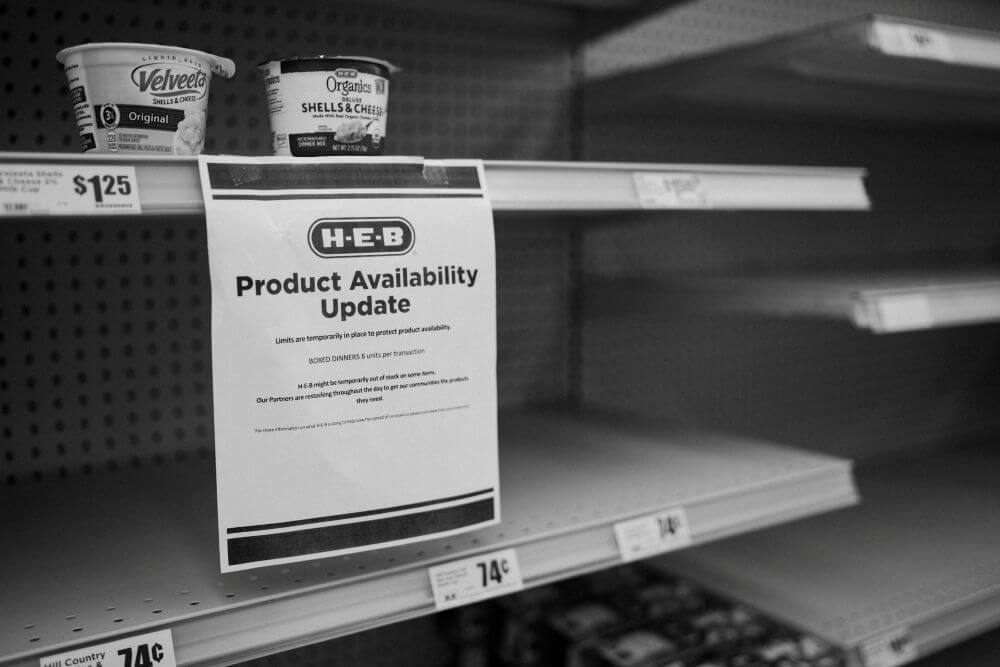

A strong brand takes years to build but only one serious product issue to damage. Customers expect businesses to deliver safe, reliable products and respond responsibly when problems arise.
- Brand Reputation Starts Long Before a Product Reaches Customers
- Product Liability Cases Highlight the Cost of Ignoring Warning Signs
- Transparency Can Protect Trust Even During Difficult Situations
- Strong Crisis Management Helps Brands Recover Faster
- FAQs
- What is a product liability case?
- What is the Bard PowerPort lawsuit about?
- Why is early customer feedback important for product safety?
- Key Inputs at a Glance
In today’s connected world, a single complaint can spread rapidly across social media, news outlets, and review platforms. Public perception can shift long before a company has the chance to explain its side.
Product liability cases offer valuable lessons beyond the courtroom. They show why businesses should invest in quality control, transparent communication, and continuous improvement. Whether you run a startup or a global enterprise, protecting your brand starts long before a product reaches customers and continues throughout its lifecycle.
Brand Reputation Starts Long Before a Product Reaches Customers
Brand reputation does not begin with a marketing campaign or product launch. It starts much earlier, with the decisions businesses make during product design, supplier selection, manufacturing, and quality testing. Every stage influences the customer experience and shapes how people perceive a brand.
As Jennifer Garrett, Senior Vice President of Product Development in a private firm, notes, product quality eventually becomes part of a brand’s identity. Customers rarely judge a company based on a single purchase. Instead, they remember whether its products consistently perform as promised.
Over time, that consistency builds confidence, encourages repeat purchases, and creates lasting loyalty. The opposite is equally true. Repeated quality issues can quickly become associated with the brand itself, making them much harder to overcome than a single product defect.
This is why quality assurance should be viewed as an ongoing business strategy rather than a final checkpoint before a product reaches the market. Businesses that invest in rigorous testing, reliable suppliers, and continuous process improvements are more likely to deliver consistent customer experiences. Those efforts not only reduce the risk of costly product failures but also strengthen the trust that supports long-term brand growth.
Product Liability Cases Highlight the Cost of Ignoring Warning Signs
Most product liability disputes do not emerge overnight. They often begin with scattered customer complaints, adverse event reports, or product performance issues that appear isolated. Businesses that investigate these early signals can identify design flaws, manufacturing inconsistencies, or quality control gaps before they escalate.



The ongoing litigation surrounding C.R. Bard’s PowerPort illustrates this risk. According to TorHoerman Law, Bard developed the PowerPort as an implantable vascular access device for patients receiving long-term treatments, including chemotherapy.
Thousands of patients have alleged that certain PowerPort models fractured, migrated, or failed after implantation. As of July 2026, 3,564 lawsuits are pending in the federal multidistrict litigation, with thousands of plaintiffs awaiting Bard PowerPort lawsuit settlement amounts.
Complex products can experience occasional failures despite extensive testing. The greater concern for businesses is when similar issues continue to surface across multiple products over time.
Before the PowerPort litigation, Bard faced thousands of lawsuits involving its IVC filters and hernia mesh products. The company also encountered regulatory issues decades earlier involving defective heart catheters.
These cases do not prove every Bard product is defective. They do show how recurring product concerns can increase legal exposure, weaken customer confidence, and create lasting reputational damage.
Transparency Can Protect Trust Even During Difficult Situations
No business is completely immune to product issues. What often separates trusted brands from struggling ones is how they respond.
Customers appreciate honesty. A timely announcement, clear explanation, and accessible support channels often reduce frustration more effectively than delayed or incomplete communication. Trying to minimize concerns or remain silent can create speculation that damages credibility.
| Communication Practice | Customer Benefit |
| Timely updates | Builds confidence |
| Clear explanations | Reduces confusion |
| Easy support channels | Improves customer experience |
| Honest acknowledgement | Strengthens credibility |
The global IT outage involving CrowdStrike in 2024 provides a useful example outside traditional manufacturing. A faulty software update disrupted airlines, banks, hospitals, and businesses worldwide.
While the technical issue attracted significant attention, many analysts also examined the company’s communication strategy. They highlighted its public apologies and efforts to prevent similar incidents in the future. The event demonstrated that transparency is often just as important as technical expertise during a crisis.
Preparing communication plans before problems occur enables businesses to respond more quickly and consistently when unexpected situations arise.
Strong Crisis Management Helps Brands Recover Faster
Even businesses with rigorous quality systems can face unexpected challenges. What often determines the outcome is how well they prepare before a crisis occurs.
According to PR NEWS, only 49% of companies have a formal crisis management plan, and just 23% conduct regular crisis simulations or drills. Without preparation, even a manageable issue can quickly damage customer trust and brand reputation.
An effective response begins with clearly defined responsibilities. Customer support, legal, operations, public relations, and executive leadership should understand their roles before a crisis occurs. This reduces confusion and enables faster, more consistent decision-making when every minute counts.
Businesses should focus on four practical actions:
- Respond quickly with verified information.
- Put customer safety ahead of reputation management.
- Communicate consistently across every channel.
- Follow through with meaningful corrective actions.
A crisis plan should also be reviewed regularly rather than stored away until it is needed. Conducting simulations, updating response protocols, and learning from past incidents help teams identify weaknesses before they become costly mistakes. When organizations prepare in advance and communicate transparently, they are better equipped to protect customer confidence and recover more quickly from unexpected challenges.
FAQs
What is a product liability case?
A product liability case arises when a consumer claims that a defective product caused injury or financial loss. These claims may involve design defects, manufacturing defects, or inadequate safety warnings. Besides legal consequences, such cases can also affect a company’s reputation, customer trust, and long-term business performance.
What is the Bard PowerPort lawsuit about?
The Bard PowerPort lawsuit involves claims that certain implantable vascular access devices fractured, migrated, or failed after implantation, leading to serious injuries for some patients. Thousands of lawsuits are currently pending in federal multidistrict litigation. The litigation has also highlighted the importance of post-market monitoring and prompt responses to potential product safety concerns.
Why is early customer feedback important for product safety?
Customer complaints, warranty claims, and adverse event reports often reveal patterns before they become widespread problems. Analyzing this feedback helps businesses identify design or manufacturing issues early and take corrective action. Addressing concerns promptly can reduce legal risks while strengthening customer trust and brand credibility.
Key Inputs at a Glance
| Pending Bard PowerPort litigation | 3,564 lawsuits were pending in federal multidistrict litigation (July 2026). |
| Crisis preparedness | Only 49% of companies have a formal crisis management plan. |
| Crisis readiness | Just 23% of organizations conduct regular crisis simulations or drills. |
| Customer trust | A single product issue can damage years of brand building if not addressed transparently and promptly. |
Product liability cases remind businesses that brand protection extends far beyond legal compliance. Strong reputations are built through consistent quality, responsible leadership, and a willingness to address concerns before they escalate.
Organizations that invest in supplier oversight, product testing, customer feedback, and transparent communication are better positioned to maintain trust when challenges arise. Even when unexpected issues occur, thoughtful crisis management and continuous improvement can strengthen relationships with customers over the long term.
Ultimately, the brands that endure are those that view reputation as an ongoing commitment rather than a marketing objective. Every product, every customer interaction, and every response to a challenge contributes to the trust that businesses work so hard to earn.